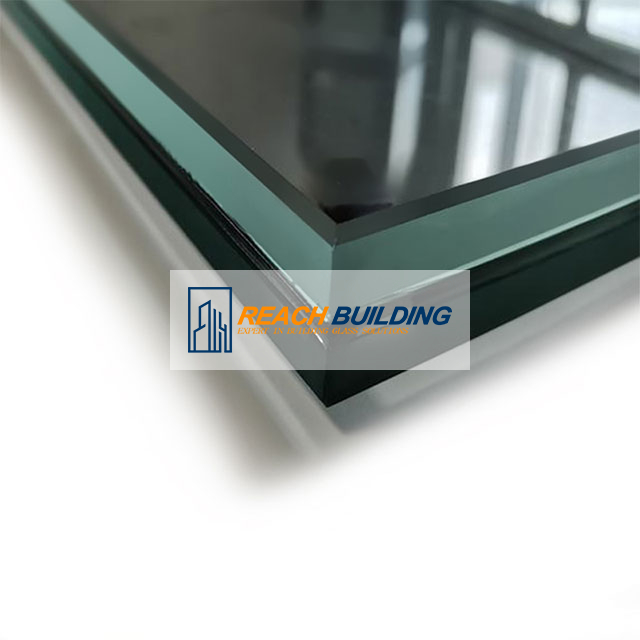
Project managers and builders frequently face a difficult dilemma during construction planning. You need specific aesthetic appeal or precise solar-control properties for a modern building facade. However, you simply cannot afford to compromise on essential safety or impact resistance. Modern architectural trends heavily favor expansive exterior glass surfaces. These large windows invite incredible natural daylight into deep interior spaces. Unfortunately, they also introduce significant solar heat gain and aggressive glare issues. Standard off-the-shelf window options rarely meet your exact project requirements.
Attempting to modify existing panels yourself carries significant structural risks. Incompatible films and DIY modifications frequently trigger catastrophic glass failures. We will explore why factory-customized solutions act as the ultimate engineered answer. You will learn how to avoid disastrous thermal stress failures while ensuring strict code compliance. We will also guide you through establishing accurate technical parameters to guarantee long-term performance.
Key Takeaways
The Aftermarket Risk: Applying aftermarket film to standard laminated glass frequently leads to thermal stress cracking and voided warranties.
The Custom Advantage: Factory customization embeds the tint (via substrate or PVB interlayer), ensuring structural integrity and precise solar control.
Specification Matters: Defining accurate tinted laminated glass specifications (VLT, SHGC, thickness) is critical to balancing aesthetics and energy efficiency.
Vendor Vetting: Choosing an experienced tinted laminated glass supplier reduces lead time delays and guarantees compliance with safety standards.
The Hidden Risks of Aftermarket Tinting on Laminated Glass
Many property owners assume they can simply apply window film to standard panels. This dangerous misconception leads to expensive and highly hazardous structural failures. We must understand exactly how these aftermarket materials interact under environmental stress.
Thermal Stress Cracking
Aftermarket films inherently trap excessive heat against the glass surface. Darker films absorb massive amounts of solar radiation instead of reflecting it away. This trapped heat causes the interior pane to expand rapidly under sunlight. Meanwhile, the outer pane remains cooler and expands at a much slower rate. This uneven thermal expansion creates immense structural pressure across the entire pane. Eventually, the internal pressure exceeds the natural breaking point. Stress fractures spiderweb rapidly across the glass surface. You then face immediate safety hazards and highly disruptive replacement procedures.
Common Mistake: Believing interior-applied films are safer than exterior ones. Both configurations alter the thermal dynamic and trap heat against the inner pane.
Delamination & Bubbling
Applying films introduces foreign chemical adhesives to the glass surface. These aftermarket adhesives often react poorly to sustained UV exposure. Trapped ambient moisture under the film also accelerates this chemical breakdown. Over time, this reaction degrades the highly sensitive PVB interlayer inside the panel. You will notice ugly bubbling forming around the panel edges first. Delamination soon follows, separating the glass layers entirely from one another. The panel loses its primary impact resistance once delamination begins. High-quality laminated glass requires perfectly stable chemical conditions to maintain its structural bond.
Warranty Invalidation
Most reputable manufacturers strictly prohibit any aftermarket modifications. They will immediately void your product warranties if you apply any film. Manufacturers understand the exceptionally high probability of thermal stress and edge delamination. You absorb all financial liability when these predictable structural failures occur. Always check your warranty terms carefully before altering factory products.
4 Scenarios Where Factory Customization is Non-Negotiable
You must know precisely when to invest in custom factory manufacturing. Some demanding projects leave absolutely no room for technical compromise. Here are four specific scenarios where factory customization remains strictly non-negotiable.
High-Heat Architectural Facades
Commercial buildings demand highly robust passive solar control systems. Large glass expanses absorb massive amounts of solar radiation daily. Factory-engineered tinted laminated glass mitigates this intense heat transfer safely. The tinting process happens directly inside the substrate or the secure interlayer. It eliminates the severe risk of uneven thermal expansion entirely. You protect the building interior efficiently without risking catastrophic glass breakage.
Strict Regulatory & Safety Codes
Coastal regions enforce strict building codes for designated hurricane zones. Security enclosures also mandate certified impact resistance for public safety. These complex projects simultaneously require severe glare reduction for occupant comfort. Standard panels simply cannot meet these dual requirements safely. Factory customization ensures the custom panel passes rigorous ANSI impact testing. The embedded tinting elements never compromise the structural PVB safety bond.
Automotive & Marine Applications
Vehicles and marine vessels face extremely harsh environmental exposure daily. Aftermarket films scratch easily under heavy physical abrasion and cleaning routines. Saltwater spray and intense UV rays quickly destroy applied films in marine environments. Furthermore, metallic aftermarket films often cause frustrating electronic signal interference. Factory customization embeds the color safely inside the heavy-duty glass panel. GPS, radio, and cellular signals pass through the material without any disruption.
Complex Multi-Property Requirements
Modern architecture often demands highly complex panel configurations. You cannot achieve these sophisticated combinations through basic aftermarket modifications. Factory engineers combine these properties expertly during the initial laminating process. They ensure all layers interact harmoniously without unexpected chemical conflicts. Complex projects usually require:
Integration of specialized acoustic interlayers for urban noise reduction.
Specific architectural color matching to align strictly with corporate brand guidelines.
Application of reflective Low-E coatings for maximum thermal energy efficiency.
Inclusion of rigid structural SGP interlayers to withstand extreme wind loads.
Best Practice: Always specify factory customization for any glass situated in high-traffic commercial zones. The liability associated with aftermarket film failure remains too great.
How to Define Your Tinted Laminated Glass Specifications
You must define exact technical criteria to request an accurate manufacturing quote. Clear tinted laminated glass specifications prevent costly production errors. Let us guide you through the essential specification framework.
Substrate Tinting vs. PVB Interlayer Tinting
You can achieve custom color through two primary manufacturing methods. You can use inherently tinted glass panels, commonly known as substrates. Alternatively, you can use clear glass bonded by colored PVB or SGP interlayers. You must choose the right method for your specific architectural goals.
Use tinted PVB when you need highly precise color matching. Colored interlayers also provide exceptional UV blocking capabilities for interior furniture protection. They offer thousands of vibrant color combinations for creative aesthetic designs. Conversely, use tinted substrates for heavy-duty solar heat reduction. Substrates absorb thermal energy much more effectively than interlayers alone. They handle extreme thermal loads perfectly in demanding commercial facade applications.
Comparison of Tinting Methods
Feature
Substrate Tinting
Interlayer (PVB/SGP) Tinting
Primary Benefit
Superior solar heat reduction
Precise aesthetic color matching
UV Protection
Moderate (varies by panel thickness)
Extremely High (Up to 99% blocked)
Color Variety
Limited to standard glass industry colors
Virtually unlimited custom combinations
Balancing VLT and SHGC
Visible Light Transmission (VLT) measures how much natural daylight enters a room. The Solar Heat Gain Coefficient (SHGC) measures overall thermal energy transfer. You must evaluate these two critical metrics together. Focusing only on SHGC often results in overly dark interior spaces. A low VLT rating forces building occupants to use artificial lighting continuously. This dependency negates any energy savings gained from your cooling reduction. Aim for a balanced ratio that maximizes daylight while effectively rejecting heat.
Common Mistake: Relying purely on digital architectural renderings to evaluate VLT. A 30% VLT might look bright on a computer screen but feel oppressively dark in reality.
Thickness and Composition
Calculating the necessary thickness requires careful structural engineering analysis. You must account for anticipated wind load and specific acoustic needs. Structural framing limits also dictate the maximum allowable panel thickness. A typical robust composition might look like 5mm glass plus 1.52mm PVB plus 5mm glass. Engineers adjust these exact variables based on unique site-specific demands. Thicker glass handles higher atmospheric wind pressures perfectly. Thicker acoustic PVB dampens urban noise pollution highly effectively. We strongly recommend consulting licensed structural engineers to finalize these physical dimensions.
Cost vs. Longevity: Is the Custom Upfront Investment Worth It?
You might wonder if the custom upfront investment makes true financial sense. We need a transparent look at the actual long-term financial realities. Let us evaluate the short-term capital costs against the enduring operational benefits.
CAPEX: The Initial Investment
Custom factory tinting inherently demands a higher capital expenditure. Manufacturers enforce higher minimum order quantities (MOQs) for custom production runs. Custom manufacturing requires specialized setup procedures and rigorous safety testing protocols. You will also face longer delivery lead times compared to standard stock materials. Project managers must account for these production delays during early planning stages. Proper scheduling prevents these lead times from impacting the overall construction timeline.
OPEX & ROI: The Long-Term Returns
You must contrast this upfront capital cost against future operating expenses. High-quality tinted laminated glass offers tremendous long-term return on investment. You completely eliminate the recurring operational cost of replacing cracked aftermarket panels. Precise SHGC ratings dramatically reduce your monthly HVAC cooling expenses. Factory-embedded tints require absolutely zero maintenance over their entire functional lifespan. They will not peel, scratch, or fade under intense direct sunlight. This exceptional physical durability guarantees superior financial performance over several decades.
Evaluating and Shortlisting a Tinted Laminated Glass Supplier
You must partner with a highly reliable manufacturing partner. A rigorous vendor-selection checklist ensures complete project success. Choosing an experienced tinted laminated glass supplier reduces unpredictable manufacturing delays. It also guarantees full compliance with critical structural safety standards.
In-House Testing & Certifications
Safety claims require undeniable physical proof from recognized industry authorities. Look for suppliers who maintain highly rigorous in-house testing facilities. They should proudly display valid SGCC or ANSI Z97.1 compliance documentation. European architectural projects might require the CE mark for final safety validation. These certifications verify impact resistance and structural integrity objectively. Never accept uncertified panels for commercial or residential facade applications.
CNC Cutting & Edge Quality
Poor edge finishing remains a leading cause of premature panel delamination. Micro-fractures along the cut edge seriously compromise the internal PVB bond. Emphasize the absolute need for precision CNC manufacturing capabilities. Automated cutting machinery ensures perfectly smooth edges every single time. High-quality edging prevents ambient moisture from penetrating the highly sensitive interlayer.
Warranty Transparency
A trustworthy supplier stands firmly behind their custom manufactured product. They will offer explicit, documented warranties against delamination and color fading. Review the warranty documents carefully before signing any large purchase contracts. Ensure they cover the specific environmental conditions of your particular building site.
Follow these essential steps when shortlisting potential manufacturing partners:
Request physical samples to verify VLT and color accuracy in natural outdoor lighting.
Audit their factory quality control processes regarding edge finishing and final polishing.
Verify all provided safety certifications match your local building code requirements perfectly.
Confirm their standard production lead times align with your exact construction schedule.
Best Practice: Ask for their quality control documentation regarding the autoclave heating process. Temperature and pressure precision inside the autoclave directly determines PVB bond longevity.
Conclusion
Customizing your glass requires deliberate upfront planning and precise architectural specifications. However, it remains the only reliable way to achieve specific aesthetic goals safely. Factory customization eliminates the severe risk of thermal breakage entirely. You secure lasting thermal performance without compromising structural safety. We encourage you to finalize your exact VLT and thickness requirements today. Consult with a certified manufacturer to assess your engineering feasibility deeply. Request a physical prototype to validate your architectural design vision confidently.
FAQ
Q: Can tinted laminated glass also feature a reflective coating?
A: Yes, custom manufacturing allows for combining tinted interlayers or substrates with reflective Low-E coatings. This specific combination maximizes thermal efficiency while achieving your desired aesthetic. Factory engineers apply the reflective coating precisely to optimize solar heat rejection.
Q: Does custom tinting affect the safety properties of laminated glass?
A: No. When customized at the factory level, the adhesion between the glass and PVB/SGP interlayer remains completely uncompromised. The panel maintains its full impact resistance and structural integrity. Factory processes ensure the color element never interferes with the vital safety bond.
Q: How long is the typical lead time for custom tinted laminated glass?
A: You should expect a baseline lead time of 3 to 6 weeks. This timeframe varies heavily depending on total volume and specification complexity. Supplier production capacity also dictates the final delivery schedule. Always plan ahead to accommodate these custom manufacturing windows efficiently.
Miracle Co-founder of Reachbuilding
Miracle owns a glass factory that has been in operation for 40 years. His family has been engaged in the construction industry for over 60 years and possesses extensive engineering and production experience. At Reach Building, he focuses on product technical support, custom solutions, and industry trend analysis for global dealers, contractors, and builders.In his column, Miracle shares practical insights, project case studies, and expert advice to help construction professionals select the right glass for safer, more energy-efficient buildings.
With nearly 30 years of experience in building materials, REACH BUILDING provides customized glass products and technical solutions for global construction and interior projects.
We use cookies to enable all functionalities for best performance during your visit and to improve our services by giving us some insight into how the website is being used. Continued use of our website without having changed your browser settings confirms your acceptance of these cookies. For details please see our privacy policy.